

Years of Western Propaganda Still Hold Much of the World in Mental Chains
Three wars with genocidal aspects are ongoing, and many if not most people still don’t understand the nature of the conflicts!
The NATO War to Destroy Russia
The Anglo Zionist War Against Palestine
The Anglo Zionist War Against Iran
Plus the ‘war-in-waiting’ over Taiwan.
In addition, there are a number of less reported conflicts:
Below is an integrated, ordered list of ongoing wars/conflicts as of 02/25/2026, ranked by immediacy of large-scale fighting and risk of near‑term escalation. For each I note the principal parties and a succinct casualty characterization (qualitative, overall combatant+civilian).
Russia — Ukraine
Parties: Russian Federation and Russia-aligned forces vs. Ukraine (Ukrainian Armed Forces), with Western support for Ukraine.
Immediacy: Very high — active large-scale combat across multiple fronts.
Casualties: Very high (hundreds of thousands total killed/wounded and major civilian displacement).
Israel — Gaza / broader Israel–Palestine confrontations
Parties: Israel vs. Hamas and Gaza armed groups; periodic Hezbollah/ Lebanon involvement; West Bank tensions.
Immediacy: Very high — repeated large escalations and cross-border strikes.
Casualties: Very high in escalations (tens to hundreds of thousands affected; large civilian tolls in Gaza during major operations).
Incipient Iran regional war (high risk of wider war)
Parties: Islamic Republic of Iran and proxies vs. Israel, U.S. forces and partners (direct and proxy clashes).
Immediacy: High — repeated strikes, naval and proxy attacks with risk of rapid escalation.
Casualties: Potentially high if escalated; currently episodic casualties and infrastructure damage across the region.
Taiwan — cross‑strait threat
Parties: PRC (PLA, coast guard/militia) vs. Taiwan (ROC armed forces); potential U.S., Japan, allied involvement.
Immediacy: High (latent crisis with growing military pressure and risk of invasion or blockade).
Casualties: Catastrophic if invaded; currently low but risk remains severe.
Sudan civil war
Parties: Sudanese Armed Forces (SAF) vs. Rapid Support Forces (RSF) and allied militias.
Immediacy: Very high — intense urban/territorial fighting in key cities.
Casualties: Very high (thousands–tens of thousands killed, large displacement and humanitarian crisis).
Yemen civil war (including Houthi regional campaign)
Parties: Houthis vs. Yemeni government and Saudi/UAE-aligned forces; maritime/strike campaigns vs. coalition/commerce.
Immediacy: High — ongoing cross-border strikes and maritime attacks.
Casualties: High overall (years of high civilian tolls; episodic spikes from major offensives).
Ethiopia (wider internal/regional conflicts)
Parties: Ethiopian federal government vs. TPLF and other regional/regional militias; Eritrean involvement episodically.
Immediacy: High — active fronts and localized offensives.
Casualties: High (tens of thousands plus large displacements).
Syria (ongoing conflict and insurgency)
Parties: Syrian government (Assad) with Russia/Iran vs. rebel groups, Turkish-backed forces, Kurdish SDF; ISIS remnants active.
Immediacy: Elevated — localized offensives, airstrikes, insurgent attacks.
Casualties: High cumulatively (a decade-plus conflict; ongoing local civilian harm).
Democratic Republic of the Congo — eastern conflicts
Parties: DRC government vs. multiple armed groups (M23, ADF/IS-affiliates, local militias); regional state involvement at times.
Immediacy: High in eastern provinces — continuing violent outbreaks.
Casualties: High (thousands killed yearly; severe humanitarian impact).
Sahel insurgencies (Mali, Burkina Faso, Niger, regional)
Parties: State security forces and juntas vs. jihadist groups (JNIM, IS affiliates) and local militias; foreign partners present.
Immediacy: High — frequent attacks and territorial loss to insurgents.
Casualties: High (thousands killed yearly; widespread displacement).
Myanmar post‑coup insurgency
Parties: Tatmadaw (junta) vs. ethnic armed organizations and People’s Defence Forces.
Immediacy: High — expanding frontlines and sustained guerrilla warfare.
Casualties: High (thousands killed; major internal displacement).
Somalia — al‑Shabaab insurgency
Parties: Federal Government and AU/partner forces vs. al‑Shabaab.
Immediacy: Elevated — regular large attacks and counteroperations.
Casualties: High (frequent mass-casualty attacks; chronic instability).
Libya (fragmented armed conflict)
Parties: Rival militias, LNA-aligned forces, UN-recognized institutions; foreign backers (Turkey, Russia/mercenaries).
Immediacy: Elevated — localized clashes and political-military contestation.
Casualties: Moderate–high cumulatively (periodic spikes).
Afghanistan (insurgency and terror threats)
Parties: Taliban authorities vs. ISKP and other militant groups; local resistance pockets.
Immediacy: Elevated — frequent terrorist attacks and insurgent activity.
Casualties: Moderate–high from periodic large attacks.
Central African Republic instability
Parties: Government and international forces vs. multiple rebel coalitions (CPC) and militias; foreign military contractors present.
Immediacy: Elevated — periodic offensives and localized violence.
Casualties: Moderate–high regionally with severe civilian impact.
Nagorno‑Karabakh / Armenia–Azerbaijan tensions
Parties: Azerbaijan vs. Armenia and ethnic-Armenian forces in Nagorno-Karabakh.
Immediacy: Elevated/latent — recent clashes and tense ceasefires.
Casualties: Moderate during flare-ups; otherwise lower than large wars.
Haiti — gang warfare and state collapse dynamics
Parties: Haitian authorities/police vs. powerful gangs; limited international interventions.
Immediacy: High locally (Port-au-Prince) with ongoing violence.
Casualties: Moderate–high in urban areas; severe humanitarian impact.
Mexico — cartel violence / armed criminal conflict
Parties: Mexican security forces vs. powerful drug cartels and armed groups.
Immediacy: Elevated in many states — sustained high levels of violence.
Casualties: High (thousands killed annually; mostly civilians and criminal actors).
Colombia — residual insurgency and criminal conflict
Parties: Colombian state vs. ELN, FARC-dissidents and criminal networks.
Immediacy: Elevated — periodic offensives and territorial violence.
Casualties: Moderate (reduced from peak but persistent killings and displacements).
Philippines — southern insurgencies / Islamist militants
Parties: Philippine government vs. Abu Sayyaf, BIFF, local insurgent groups.
Immediacy: Moderate — localized operations and occasional major attacks.
Casualties: Low–moderate regionally.
Venezuela — political crisis with armed incidents
Parties: Maduro government vs. opposition elements, dissident military, and armed groups.
Immediacy: Low–moderate — episodic armed incidents and high political tension.
Casualties: Low–moderate from localized clashes.
Kashmir / India–Pakistan border tensions
Parties: India vs. Pakistan and local insurgent groups in Jammu & Kashmir.
Immediacy: Moderate — intermittent cross-border incidents and militant attacks.
Casualties: Low–moderate (periodic deadly incidents).
Most are not even reported on. I had to ‘remind’ Chat GPT about the incipient wars against Iran and possible war over Taiwan.
Hapless Steve Witkoff (probably a better pronunciation would be ‘Witless Kopf (Kopf meaning head in Yiddish.)
Comparing Ukraine War to Iraq War
Both countries had significant CIA interference before the wars broke out.
United States interference in Iraq from 1953 to 2026 has transitioned from Cold War-era covert destabilization and support for totalitarian regimes to a full-scale invasion, long-term occupation, and ongoing political manipulation. This period is marked by a legacy of shifting alliances, profound instability, and, as of early 2026, continued friction over Iraqi sovereignty.
Key Eras of U.S. Interference in Iraq
1950s–1960s: Anti-Communist Containment and Covert Action
Following the 1953 CIA-backed coup in neighboring Iran (Operation Ajax), the U.S. began focusing on Iraq to prevent Soviet influence. Following the 1958 revolution that overthrew the British-backed monarchy, the U.S. National Security Council in 1959-1960 formed special working groups to monitor Iraq,, with the CIA eventually funding efforts to eliminate communists and influence the political landscape.1980s: Support for Saddam Hussein (Iran-Iraq War)
During the Iran-Iraq War (1980–1988), the U.S. provided significant support to Saddam Hussein’s regime to prevent an Iranian victory. This included over 60 Defense Intelligence Agency officers providing combat planning assistance and satellite intelligence.1990s: Gulf War and “Containment” Sanctions
After Iraq invaded Kuwait, a U.S.-led coalition expelled them in 1991. The U.S. subsequently enforced draconian UN sanctions and, through the 1998 Iraq Liberation Act, authorized funding for Iraqi opposition groups to push for regime change.2003–2011: Invasion, Occupation, and Destabilization
The U.S. invaded Iraq in March 2003, removing Saddam Hussein based on false claims of weapons of mass destruction (WMD). The invasion and subsequent disbanding of the Iraqi army led to widespread chaos, sectarian violence, and a long-term insurgency. The war, which cost an estimated $2–$3 trillion, failed to establish a stable liberal democracy.2014–2020: The Fight Against ISIS and Shifting Alliances
Following the rise of ISIS, the U.S. re-engaged in 2014 under Operation Inherent Resolve. Tensions peaked in January 2020 when a U.S. airstrike killed Iraqi Deputy Chief of the Popular Mobilization Units and Iranian leader Qasem Soleimani, leading the Iraqi parliament to demand a U.S. withdrawal.2021–2026: Drawdown, Strategic Dialogue, and Continued Interference
While the U.S. officially concluded its combat mission in December 2021, troops remained to advise and assist. By early 2026, while the U.S. has been accelerating troop drawdowns, reports indicate continued interference in Iraqi internal affairs, including U.S. opposition to the nomination of specific prime ministers.
So, the Ukraine War, as it’s called was started by Russia invading Ukraine, which is right on its border, following a CIA coup, and relentless attacks on ethnic Russians for 8 years, and after refusal of Kiev with the backing of France and Germany, to fulfill a peace agreement. But it was OK for the US to invade Iraq, which posed no threat to the US, thousands of miles from the US.
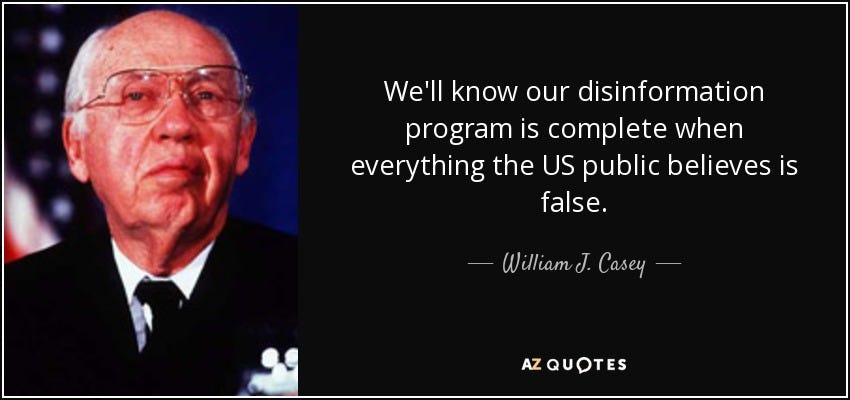
This is how Western propaganda confuses people. Everything the US public (and most people in both the West and even outside the West) believe is false.
*********************
My work involves not just research but also travel, website and posting tools and expenses. So if possible please help out. I will never charge for access, because ‘Truth is Priceless”. But if you’d like to help out, you can do it in different ways.
You can visit one of my shops where you can get an Awareness Building Item.
Use the items as conversation starter.
Or you can donate through my paypal email address, e_arnow@yahoo.com
Or on Substack
And please like, subscribe and share my ideas with your friends.
https://buymeacoffee.com/ericarnowm
So if possible please help out. I will never charge for access, because ‘Truth is Priceless”. But if you’d like to help out, you can do it in different ways.
You can visit one of my shops where you can get an Awareness Building Item.
Use the items as conversation starter.
Or you can donate through my paypal email address, e_arnow@yahoo.com
Or on Substack


